Inside the Mind of a Nigerian Bandit: An Interview
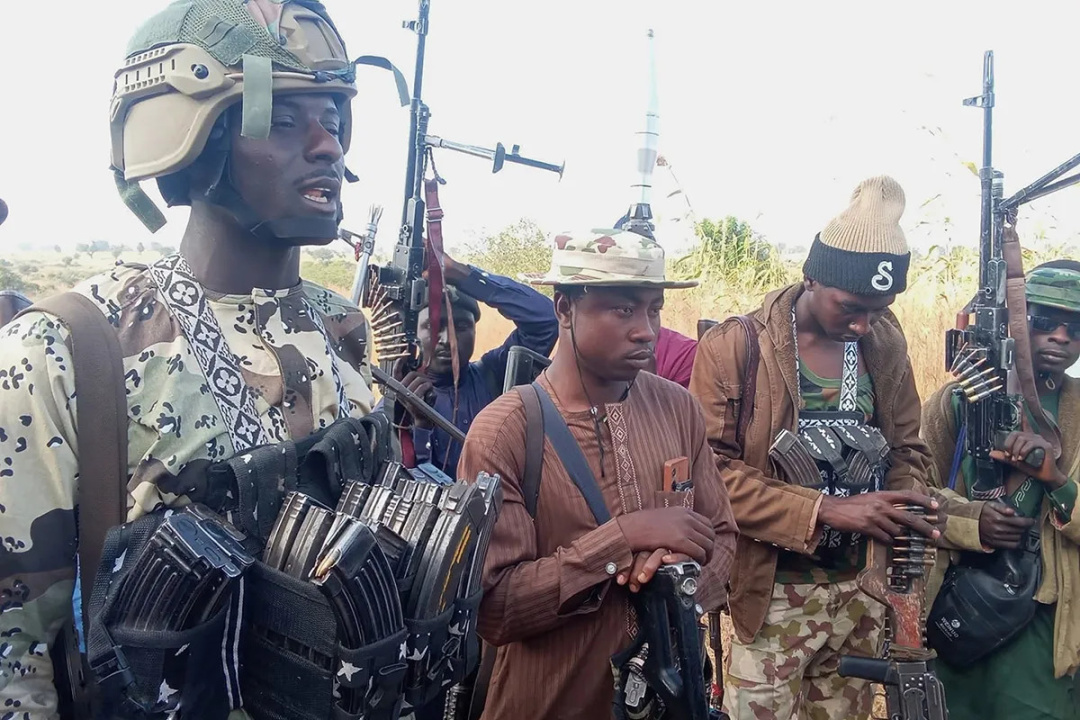
Babangida, a lanky, dark-skinned man in his late thirties, presents an unexpected image of a bandit. Dressed in a traditional caftan and colorful cloth cap, he speaks softly, contrasting sharply with the violence associated with his identity. His AK-47, however, serves as a stark reminder of the harsh realities he embodies. In a recent interview, Babangida opened up about the factors that led him to a life of crime, revealing a narrative steeped in personal and societal suffering.
The roots of Babangida's actions lie in the pervasive corruption that has plagued Nigeria for decades. He describes a childhood marked by poverty and neglect, where government promises of progress and support never materialized. Instead, he witnessed his community deteriorate, with rampant unemployment and a lack of basic services. This backdrop of despair, he argues, has pushed many young men like him towards violence as a means of survival.
Music Essentials
Fine-tuned items for your review.
The record store.
Babangida's story is not just one of individual choices but reflects a broader societal crisis. He articulates a sense of betrayal by the state, which has failed to protect its citizens or provide opportunities for a better life. This sentiment resonates with many Nigerians who feel abandoned by their leaders. The interview highlights the desperation that can drive individuals to join armed groups, viewing them as a form of resistance against an oppressive system.
Understanding the Complexity of Choices
As he recounts his experiences, Babangida reveals the complexities of his life choices. While he acknowledges the violence he has committed, he frames it as a response to the injustices he has faced. His reflections raise important questions about accountability and the role of government in fostering environments where crime becomes a viable option for survival.
Music Industry Insights
The discussion also touches on the cyclical nature of violence in Nigeria. Babangida notes that as long as the underlying issues of corruption and neglect persist, the cycle of violence will continue. He expresses a desire for change, not just for himself but for his community, emphasizing the need for genuine reform and accountability from those in power.
This interview serves as a crucial reminder of the human stories behind headlines of violence and crime. Babangida's candidness invites readers to consider the broader implications of governance and societal responsibility. As Nigeria grapples with its challenges, understanding the motivations of individuals like Babangida may be essential in addressing the root causes of violence and fostering a more just society.