Flowthru Launches Comprehensive Music Collaboration and Rights Platform
Music production software company Sound Credit has relaunched as Flowthru, marking a significant expansion of its original credits-management platform into a comprehensive collaborative workspace. Launched on October 21, 2026, Flowthru is designed to assist artists, producers, and engineers in managing recordings from initial mixes through to final release preparation.
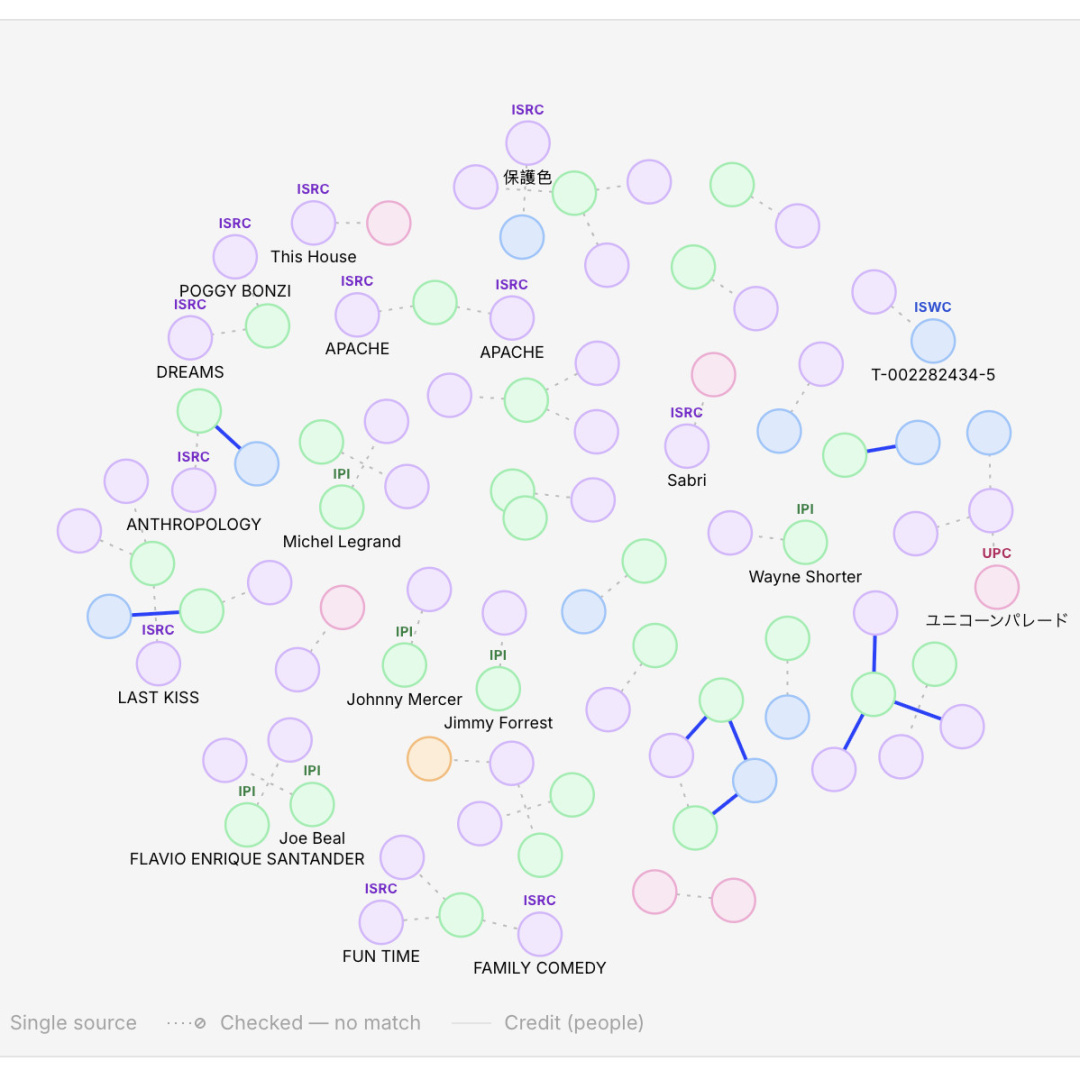
Flowthru combines several essential features, including lossless audio sharing, version tracking, timestamped feedback, contributor credits, songwriting splits, and rights registration tools. This integrated approach addresses a prevalent issue in music production: while creative work often occurs in various applications, the necessary information for crediting contributors and registering recordings is typically gathered separately, sometimes long after the project is completed.
Music Essentials
Fine-tuned items for your review.
The record store.
Originally, Sound Credit aimed to help music professionals document the individuals involved in creating recordings. Recording credits can involve numerous contributors, such as songwriters, producers, engineers, and session musicians. As projects transition between studios and collaborators, maintaining accurate credit information becomes increasingly challenging.
With Flowthru, founder and CEO Gebre Waddell has broadened the platform's focus to encompass the entire production process leading up to a recording's release. In a September announcement, Waddell explained how the company's initial emphasis on credits has evolved into a more extensive set of production needs. The platform facilitates sharing mixes, collecting feedback, tracking revisions, and preparing release information, all within a single project environment.
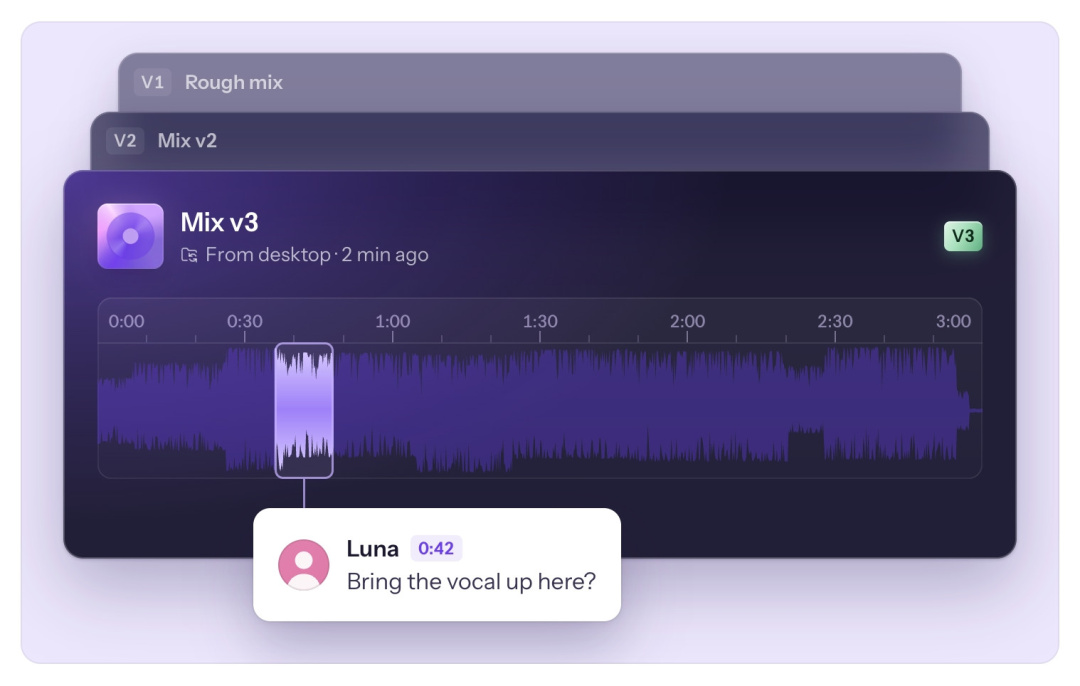
One of Flowthru's standout features is its collaborative workspace, where users can share and review recordings. For instance, a producer working on a song might create multiple mixes before the artist approves the final version. Each revision generates feedback from various stakeholders, including musicians and label representatives. Flowthru organizes these recordings and revisions within a project, allowing collaborators to leave timestamped comments linked to specific moments in a recording.
The platform also supports desktop synchronization, enabling new audio files exported from digital audio workstations to appear directly in the project workspace, thus reducing the need for manual uploads through separate file-transfer services. Furthermore, Flowthru emphasizes audio quality, offering lossless streaming of compatible WAV and FLAC recordings, allowing collaborators to listen without downloading the original files.
Flowthru's original credits-management capabilities remain central to its expanded platform. As musicians collaborate, they can document who contributed to a recording and their respective roles. This information is crucial for professional recognition and provides necessary details for labels, distributors, and rights organizations. Accurate credits help avoid administrative issues post-release, as missing or incorrect information can complicate royalty payments.
Managing Songwriting Ownership and Splits
In addition to managing performance and production credits, Flowthru includes tools for documenting songwriting ownership shares. When multiple writers collaborate on a composition, they need to agree on how ownership and associated income will be divided, often documented through a split sheet. Flowthru allows users to record these splits and, on supported plans, generate split sheets for electronic signatures.
Flowthru aims to connect project information with music industry registration systems, facilitating the submission of information to various organizations after a recording is completed. This includes support for registration workflows involving ASCAP, BMI, SOCAN, and others. However, it should be noted that Flowthru is not a universal registration service but rather a tool to streamline the data entry process for supported registrations.
The platform operates on a subscription model, offering a free entry-level plan and various paid tiers that provide additional features. The Essential plan includes storage for 20 tracks and contributor credit collection, while the Pro plan offers advanced release-preparation features, including split sheets and music registration tools.
Flowthru's launch has generated significant interest, with reported increases in purchasing activity following the transition from Sound Credit. The company noted a 686% rise in weekly checkouts after the rebrand, indicating a strong response from the market. However, the sustainability of this growth remains to be seen as Flowthru competes with existing specialized tools in the music collaboration space.
Album Reviews
As Flowthru seeks to establish itself within the music production process, it faces the challenge of meeting the diverse needs of its users while maintaining a user-friendly interface. The platform's success will depend on its ability to demonstrate value through everyday use and effectively integrate various stages of music production into a single, cohesive workflow.
Alongside the platform launch, Flowthru announced a podcast titled "How It Came Together," featuring discussions with musicians and producers about notable recordings. The first episode is set to air in December 2026, providing further engagement with the music community and insights into the creative process.