CRTC Launches Free Canadian Music Database for Radio Stations
The Canadian Radio-television and Telecommunications Commission (CRTC) has unveiled a new initiative aimed at supporting the Canadian music industry. The regulator announced today the launch of a free, downloadable music database that will allow broadcasters, artists, and the public to easily verify which songs qualify as Canadian content. This tool is particularly beneficial for radio stations that are required to meet specific Canadian content regulations.
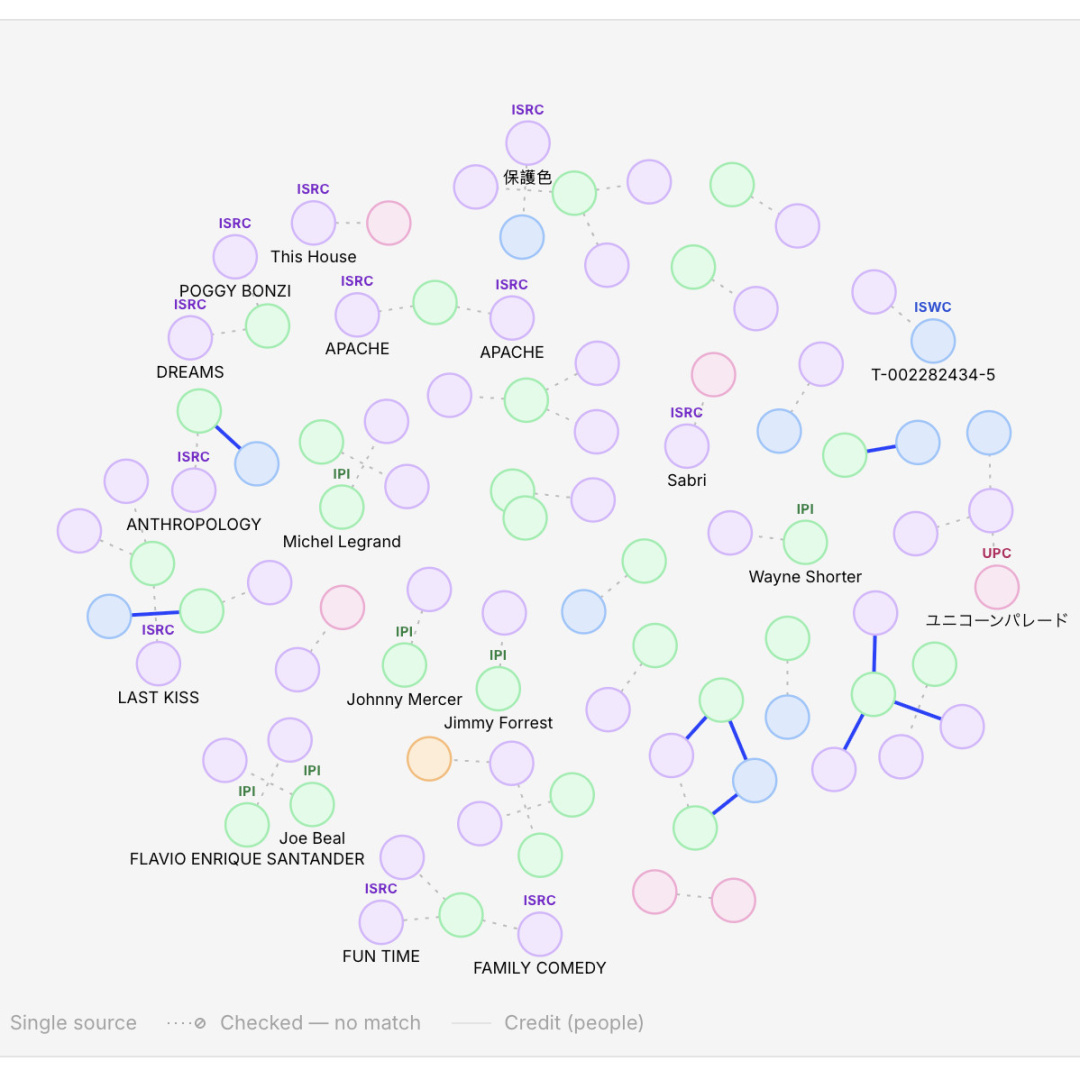
Historically, radio stations in Canada have been obligated to play a certain percentage of Canadian music. However, determining which tracks meet these criteria often involved navigating multiple industry records, making it a cumbersome task. The CRTC's new database consolidates this information into a single accessible resource, simplifying the process for radio stations and potentially increasing the exposure of Canadian artists across the country.
Music Essentials
Fine-tuned items for your review.
The record store.
The database will initially feature a substantial selection of popular Canadian songs, with plans to regularly update it to include new releases and a broader range of music, including French, Indigenous, and third-language songs. The CRTC has expressed its intention to gather feedback from users during this initial phase to improve the database's functionality and effectiveness.
Impact on Streaming Services and Regulations
While this development is significant for radio broadcasters, it does not alter the listening experience on platforms like Apple Music or Spotify, nor does it change existing regulations for streaming services. The CRTC's announcement comes at a time when discussions about Canadian content rules are ongoing, particularly concerning streaming platforms that have faced recent legislative scrutiny.
Live Concert Updates
In addition to launching the music database, the CRTC is also working to reduce administrative burdens on radio stations. The regulator has recently eliminated the requirement for stations to renew their licenses every few years, framing this new database as part of its broader efforts to modernize how Canadian content is identified and to streamline compliance processes.
For those who primarily consume music through streaming services, this database may not be of immediate interest. However, for listeners of traditional radio and those invested in the Canadian music scene, this initiative represents a significant step towards a more organized and transparent approach to Canadian content identification. The question remains whether a government-maintained list of Canadian songs is necessary, or if the previous system of disparate sources was sufficient.