Reflecting on 25 Years of the Apple iPod and Its Industry Impact
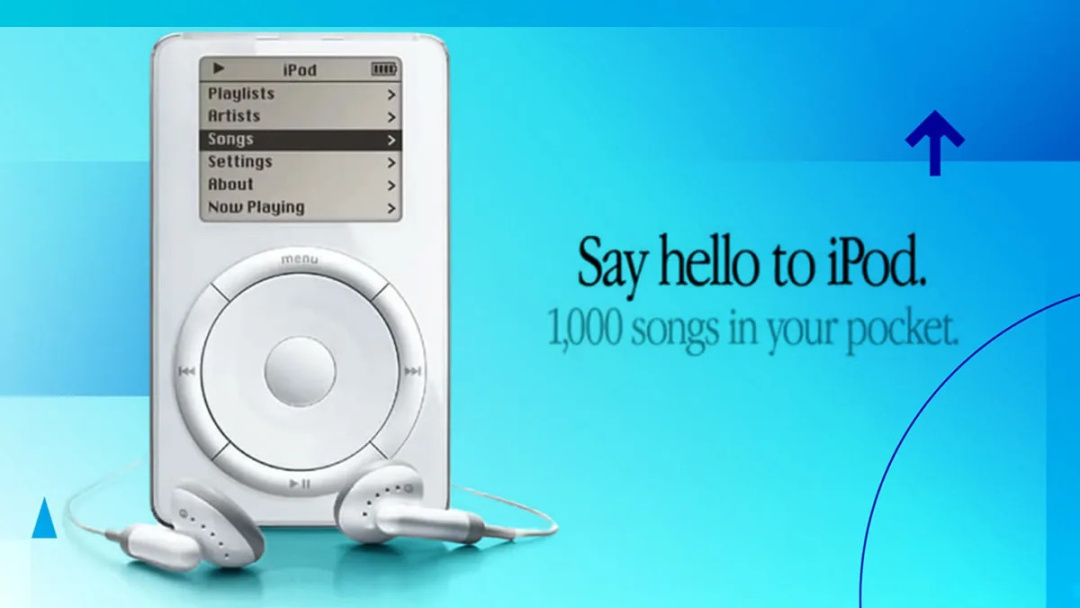
The Apple iPod, launched 25 years ago, transformed how we listen to music on the go. Before its debut, music lovers relied on Walkmans or portable CD players, often wrestling with tangled tapes or skipping CDs. The iPod, however, changed the game, providing a user-friendly interface that made digital music accessible to everyone. DJ Moby, featured in the iPod's first promotional video, noted how intuitive the device was compared to its competitors, stating that he understood how to use it within seconds.
The iPod's story varies across regions, particularly in the Middle East, where many first encountered the device through friends or family. Despite its discontinuation in 2022, the iPod remains a nostalgic symbol of music innovation, with many still holding onto their devices.
Music Essentials
Fine-tuned items for your review.
The record store.
The origins of the iPod can be traced back to 1979, when British inventor Kane Kramer created the IXI, a digital audio player prototype that could only play one song. Although Kramer's invention did not achieve commercial success, he later testified in a patent dispute involving Apple, acknowledging the iPod's significant impact on the music industry.
The iPod's first model, unveiled on October 23, 2001, boasted a 5GB capacity, allowing users to store up to 1,000 songs. This revolutionary device was developed in under a year by a team led by Apple Senior Vice President of Industrial Design Jonathan Ive. The name 'iPod' was inspired by the phrase "Open the pod bay door, Hal!" from the movie 2001: A Space Odyssey.
In the years following its launch, Apple continued to innovate, releasing several updated models that increased storage capacity and improved functionality. The second-generation iPod introduced compatibility with Windows, while the third generation offered an all-touch scroll wheel interface. By January 2004, Apple had sold over 2 million iPods, solidifying its position as the leading digital music player.
The iPhone's Impact on iPod Sales
The introduction of the iPhone in 2007 marked a turning point for the iPod. With the ability to play music and perform numerous other functions, the iPhone began to cannibalize iPod sales. Despite this, Apple continued to release new iPod models, including the iPod touch, which featured a multi-touch screen and Wi-Fi capabilities.
As streaming services gained popularity, the iPod's relevance diminished. Apple officially discontinued the iPod in 2022, a decision that reflected the changing landscape of music consumption. The iPod may have been a revolutionary product, but its legacy lives on in the way we consume music today, paving the way for the streaming era that dominates the industry now.
The iPod's Lasting Impact on Music Consumption
The iPod not only changed how we listen to music but also influenced the entire music industry, from sales models to artist promotion. The launch of the iTunes Store in 2003 allowed users to purchase songs easily, leading to a significant shift in how music was distributed and consumed. With over 10 million songs sold in its first four months, the iTunes Store established a new standard for digital music sales.
As we reflect on the iPod's 25-year journey, it's clear that its impact extends far beyond its hardware. It revolutionized the music industry, introduced new ways for artists to connect with fans, and set the stage for the streaming services we rely on today. While the iPod may no longer be in production, its influence will continue to shape the future of music consumption for years to come.