Credits.fm Aims to Create Open Database for Music Credits
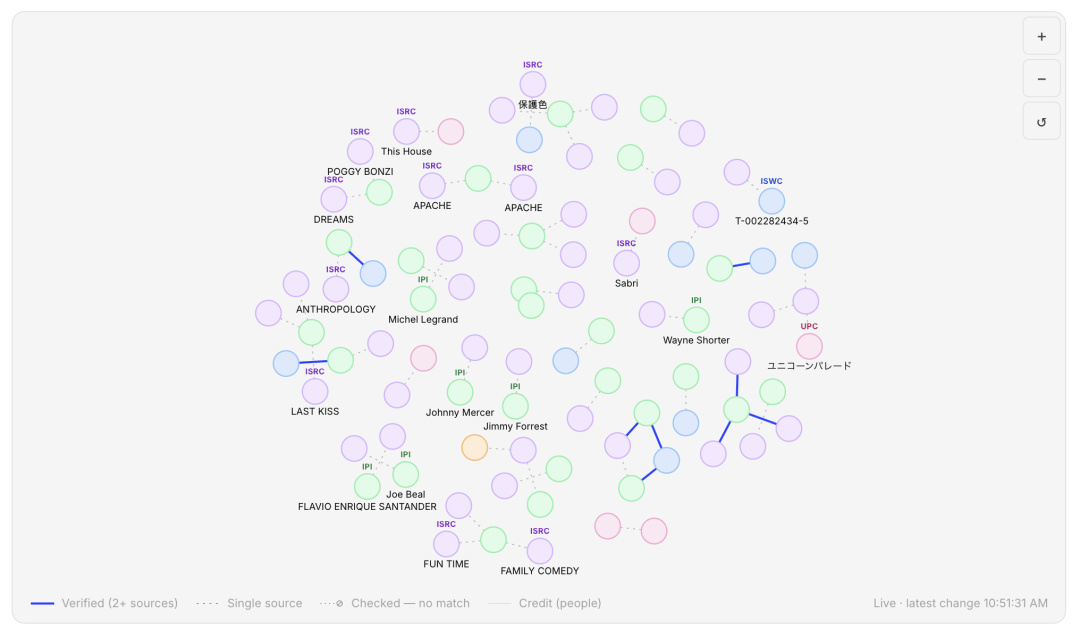
In an era where streaming has made virtually every recording instantly accessible, the context surrounding music credits has become increasingly obscured. Credits.fm is stepping in to address this gap by building an open credits database that aims to provide a comprehensive and interconnected view of music attribution. Launched in June 2026, this project from Notes.fm seeks to connect recordings with their respective contributors, including songwriters, producers, and session musicians, thereby restoring the recognition that many artists deserve.
The modern music industry is awash with data, with each recording linked to numerous identifiers such as ISRCs, songwriters, publishers, and performing rights organizations. However, this information is often fragmented across various platforms, leading to inconsistencies and inaccuracies. For listeners, this means they might not know who played a particular instrument or produced a song. For artists and contributors, the stakes are higher; inaccurate or missing credits can result in lost royalties and recognition.
Music Essentials
Fine-tuned items for your review.
The record store.
Credits.fm's ambitious project aims to create a searchable index that consolidates this information, making it easier for users to find out who contributed to a particular recording. At its launch, Credits.fm boasted an index of over 150 million song codes, providing a robust foundation for connecting recordings to the individuals and organizations involved in their creation. This initiative highlights the critical need for a unified system that accurately reflects the complex relationships between songs and their contributors.
The challenge of accurately connecting these relationships is significant. The music industry lacks a single authoritative database that encompasses every contributor to every recorded piece. Instead, data flows from multiple sources: labels provide recording metadata, publishers manage composition information, and streaming platforms aggregate data from various suppliers. When discrepancies arise—such as differing spellings of an artist's name or variations in credited roles—identifying the correct relationships becomes a daunting task.
Moreover, the economic implications of accurate music credits cannot be overstated. Royalties are distributed through a convoluted network of stakeholders, including streaming services, labels, and collection societies. Ensuring that the right individuals receive their due compensation hinges on the accuracy of the information about recordings and compositions. While bad metadata is not the sole reason for unmatched royalties, it is a critical factor that Credits.fm aims to address.
Commitment to Open Metadata Access
Another compelling aspect of Credits.fm is its commitment to openness. Much of the valuable metadata in the music industry resides within proprietary databases, limiting access and collaboration. By pursuing an open model, Credits.fm aspires to create a more interconnected credits layer that can benefit developers, researchers, and rights organizations alike. This openness could lead to innovative applications that enhance how music attribution is handled across the industry.
As the music landscape evolves, particularly with the rise of generative AI, the need for precise attribution becomes even more pressing. Music companies are currently negotiating how copyrighted works can be utilized to train AI systems, and as AI-generated content enters the market, understanding the origins of recordings and their contributors will be essential. Accurate identifiers will play a pivotal role in determining what is included in licensed catalogs and ensuring that revenue generated from AI products is fairly distributed.
Music Industry Insights
Credits.fm's task is formidable; indexing over 150 million recording codes is only the beginning. The real challenge lies in connecting, verifying, and maintaining the relationships between contributors and their works over time. As the music industry continues to grapple with the complexities of data management, the success of Credits.fm will depend on its ability to establish a reliable and comprehensive attribution system.
The push for accurate music credits is not just about recognition; it is about ensuring that the financial infrastructure of the music industry functions effectively. Listeners want to know who made the music they cherish, while artists seek acknowledgment for their contributions. As the industry moves forward, the importance of a well-maintained credits database will only grow, making it imperative that we do not lose sight of those who create the music we love.